Assistance with Daily Life NDIS: A Guide to SIL & Support
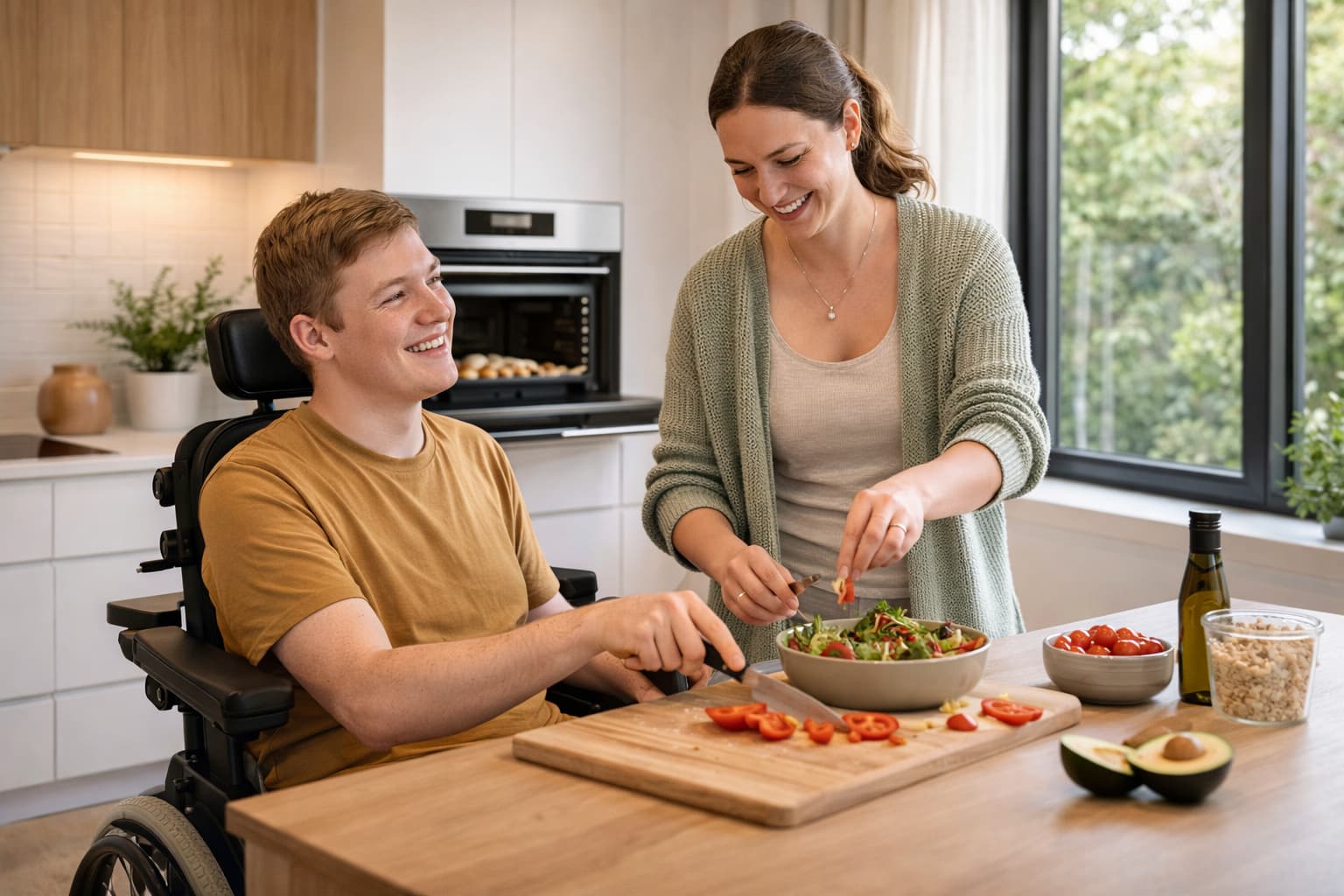
Your home and your daily support should work together to help you live the life you want — and understanding how your NDIS funding supports that is the first step. In 2026, more Victorians than ever are using their Assistance with Daily Life budgets to achieve real independence, whether that's getting support in their current home or making the move to a new place in Melbourne.
At InPlace Living, we believe that "choice and control" should be more than just NDIS jargon. It should be the foundation of how you live your life every day.
Understanding Assistance with Daily Life under the NDIS
Assistance with Daily Life is the part of your NDIS plan that helps you with everyday tasks — the practical support that makes independent living possible. The NDIA (National Disability Insurance Agency) provides this funding so you can live as independently as possible, whether that's in your own home, a rental, or a purpose-built SDA home.
What is the difference between SIL and SDA?
SIL refers to the "Assistance with Daily Life" funding used for paid supports and person-to-person care, such as help with cooking or cleaning. SDA (Specialist Disability Accommodation) refers specifically to the physical "bricks and mortar" home designed for those with high functional needs. You can receive SIL in a standard home, but SDA requires specific eligibility.
What is Supported Independent Living (SIL)?
Supported Independent Living, or SIL, is the name given to the intensive Assistance with Daily Life NDIS funding for people who need higher levels of help at home. It is often provided in a shared living arrangement, but it can also be delivered to individuals living alone.
SIL is about the people who support you. It covers the cost of support workers who are there to help you with tasks you might find difficult to do on your own. In Melbourne, many participants use SIL to transition out of the family home and into a place of their own, often sharing with one or two others to make the most of their funding and social opportunities.
The Difference Between Your Home and Your Support Team
One of the most common questions we hear is how your care and your home fit together. The key thing to know is that they're funded separately — and that's actually a good thing, because it protects your rights.
- SIL is the service: It is the support worker who helps you get ready in the morning.
- SDA is the building: It is the physically accessible house with reinforced ceilings and smart technology.
Your home funding and your support funding are separate — here's why that matters
Because SIL and SDA are funded separately, you can change your support provider without having to move house. That's your protection. It also means SIL funding is strictly for the people who support you — it doesn't cover rent, utilities, or groceries.
Here's a clear breakdown of what's covered and what's not:
How to Access Supported Independent Living in Melbourne
Your path to Supported Independent Living in Melbourne usually starts with a functional assessment — a process that helps the NDIA understand how much support you need across a 24-hour period, so they can fund the right level of care.
If you have "Home and Living" goals in your NDIS plan, you can begin searching for a SIL provider. In the Melbourne rental market, this often involves finding a provider who has a vacancy in a home that matches your personality and support needs. You will then sign a service agreement that clearly outlines what support will be provided and how it will be delivered.
How do I find SIL housing in Melbourne?
To find SIL housing in Melbourne, you should first ensure you have "Assistance with Daily Life" in your NDIS plan. You can then search the Housing Hub, Nest, or contact local Melbourne providers who manage vacancies in shared or individual living arrangements tailored to your specific support needs.
What Does "Assistance with Daily Life" Actually Cover?
When we talk about "daily life," we are talking about the routine things that make a house feel like a home and a day feel productive. This funding is flexible and can be used for:
- Personal Care: Assistance with showering, dressing, and grooming.
- Meal Prep: Help with planning, shopping for, and cooking nutritious meals.
- Skill Building: Support to learn how to do things yourself, like using public transport or managing a budget.
- Household Tasks: Help with cleaning, laundry, and maintaining a tidy home.
- Medication Management: Ensuring you take the right health supports at the right time.
By focusing on these areas, your support team helps you build the confidence to lead a more autonomous life.
Choosing the Right SIL Provider in Melbourne
Melbourne has a diverse range of disability support services, but not every provider is the right fit for every person. When choosing a SIL provider, consider the following:
- Compatibility: If you are moving into a shared home, do you get along with the other residents?
- Staff Training: Does the team have experience with your specific needs, such as complex physical needs or neurodiversity?
- Flexibility: Do they support your choice to go out to the footy, visit the Queen Victoria Market, or pursue a passion project like our resident Ben?
- SDA Collaboration: If you live in an InPlace Living home, your SIL provider should work seamlessly with us to ensure the house's technology is being used to its full potential for your benefit.
While SIL is the most common model, some participants may also explore Individualised Living Options (ILO), which offer even more bespoke ways to arrange your home and support, such as living with a "host" family or having a "house neighbour" who provides occasional help.
Conclusion: Maximising Your Independence
Ultimately, your Assistance with Daily Life funding is a tool to help you live the life you choose. Whether you're in a purpose-built SDA home in the heart of Melbourne or a suburban home with SIL support, the goal is always the same: a sense of belonging and the freedom to be yourself.
At InPlace Living, we are proud to develop the spaces where these supports come to life. By understanding the difference between your care and your home, you can make informed decisions that lead to a more stable, happy, and independent future.
Does NDIS pay for rent in SIL?
No, NDIS funding for Supported Independent Living (SIL) does not cover rent, board, or everyday groceries. SIL funding is strictly for the support staff who assist you within the home. Participants typically use their Disability Support Pension (DSP) or other income to cover their room and board.
Other blog posts


Are You Ready to get your SDA InPlace?
Enquire Now